From the novel Mr. Ben and his Igloo, A View of the Seaside by Yoshiharu Tsuge, 1967-1968 /
Cinematography Yuta Tsukinaga /
Editing Keiko Okawa /
Sound design Takamitsu Kawai /
Produced by Bitters End (Japan), Culture Entertainment (Japan), THEFOOL (Japan), Sedic International (Japan), Masayoshi Jônai
Japan, 2025 – 89′
V.O. sub. ITA/ENG
MOVIE CATEGORY
EFEBO D'ORO
12.11.25
20:30
Cinema Concordia
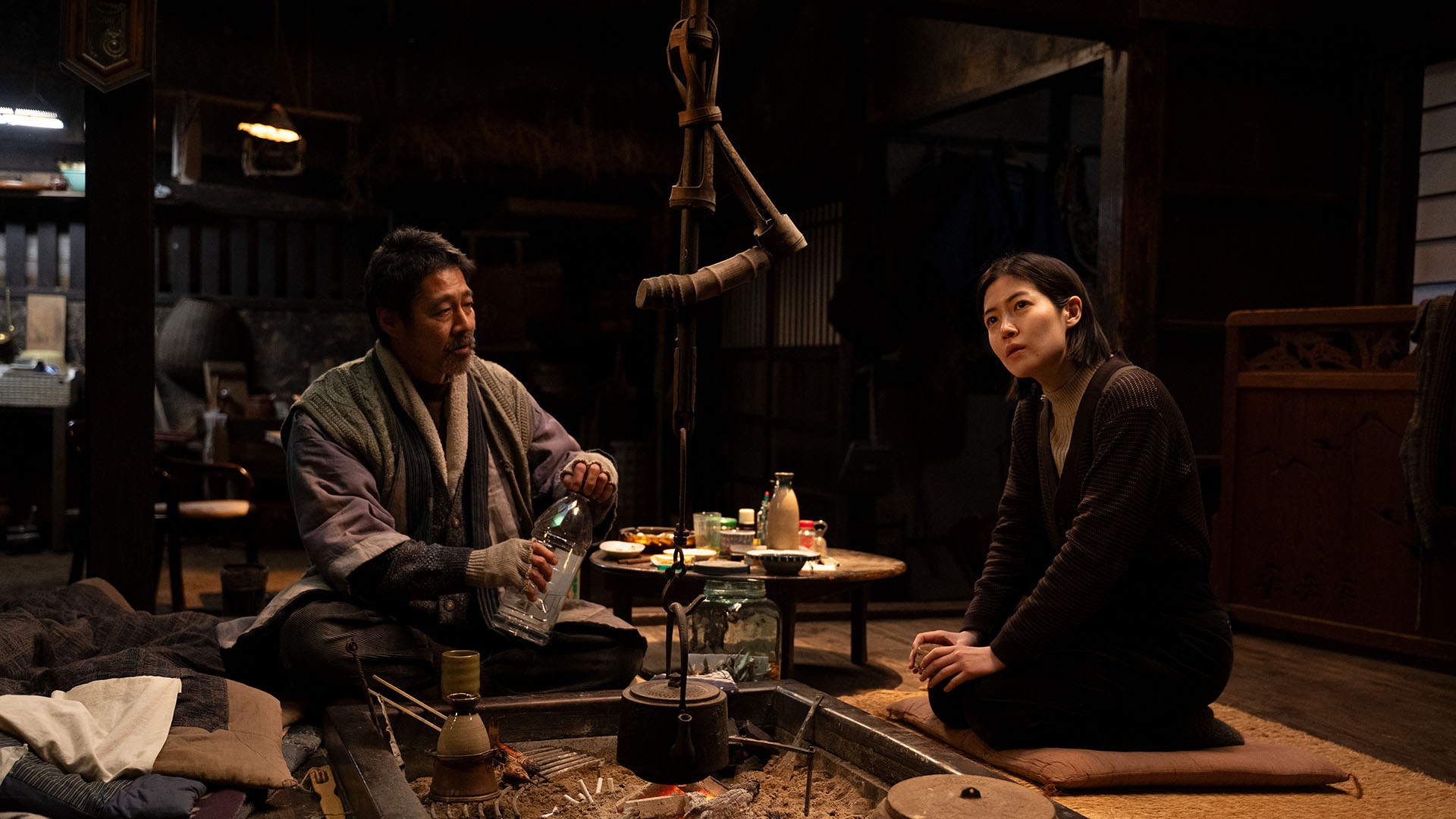
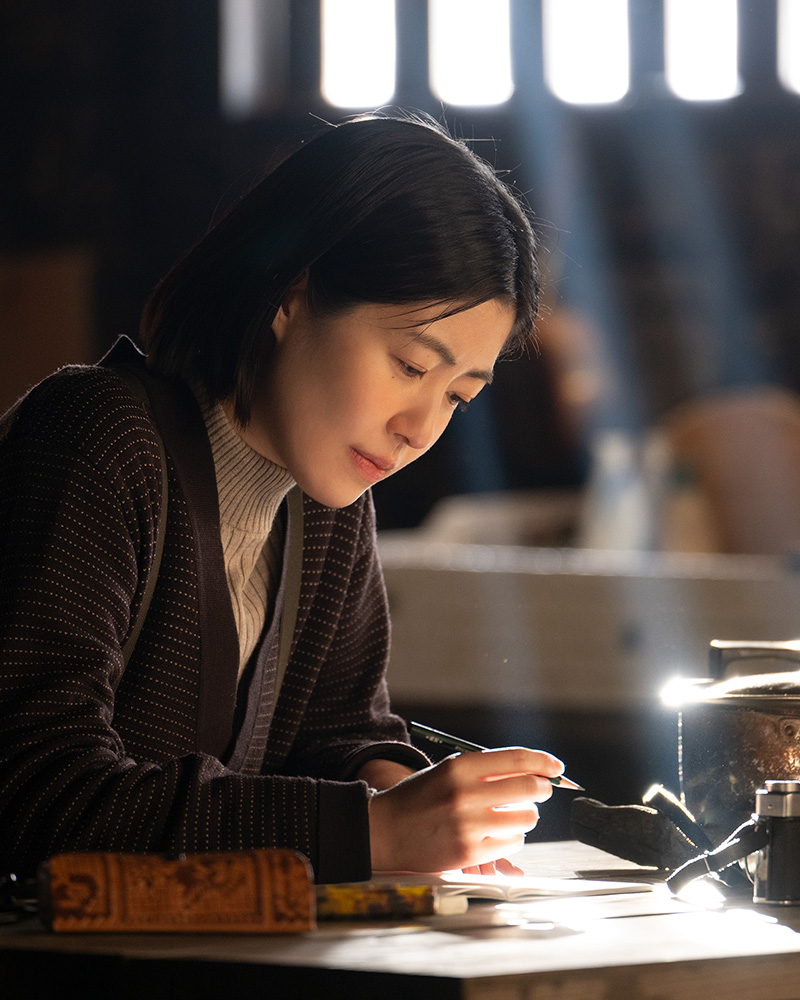
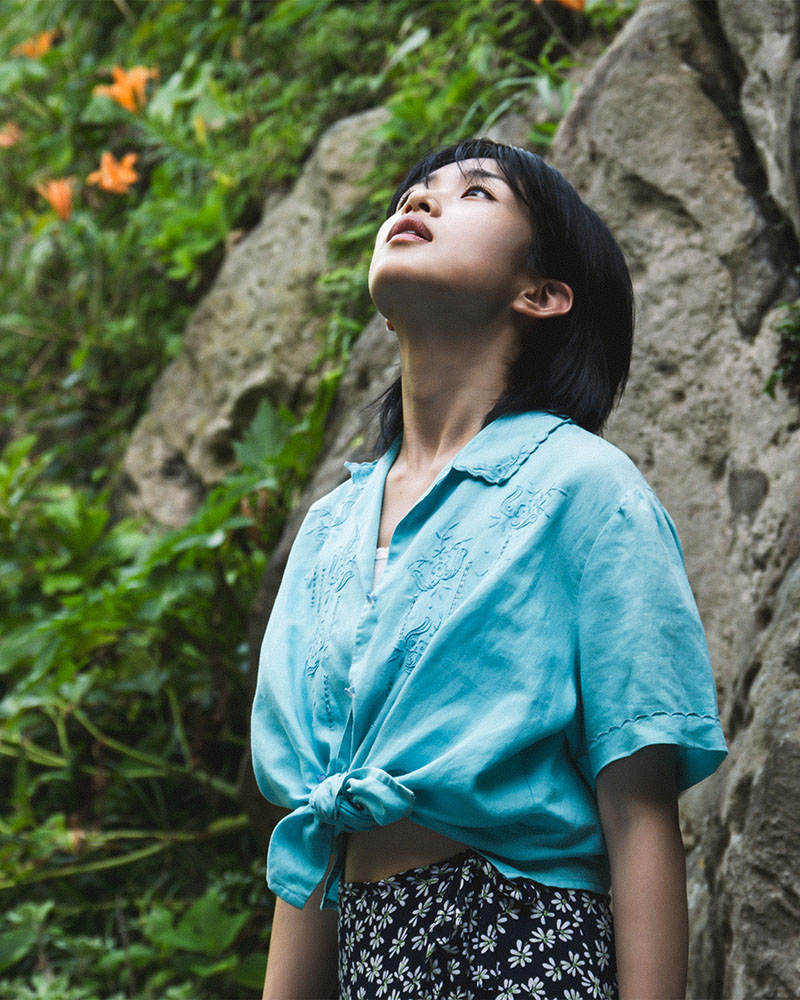
The meeting between Nagisa and Natsuo on the seashore is marked by glances and silence. It’s summer, and the coolness of the rocky beach should provide a thrilling warmth, but their relationship seems destined to be lost in the deluge. Perhaps it’s love, perhaps it’s a lack of communication. It’s winter, however, when screenwriter Li arrives at a guesthouse in the mountains, run by the quiet Benzo; and the intrinsically solitary project of writing on the contrary becomes the unexpected occasion for an encounter. With the lightness of a proverb and the subtlety of a haiku, director Sho Miyake explores the relationship between humans and the environment, never finding a clear and bright solution. The colors of the world don’t speak the language of people, and life seems like a calm but unpredictable river. A double track of unconnected stories that speak to each other through subtle references, awarded the top prize at the last Locarno Film Festival.
DIRECTORY
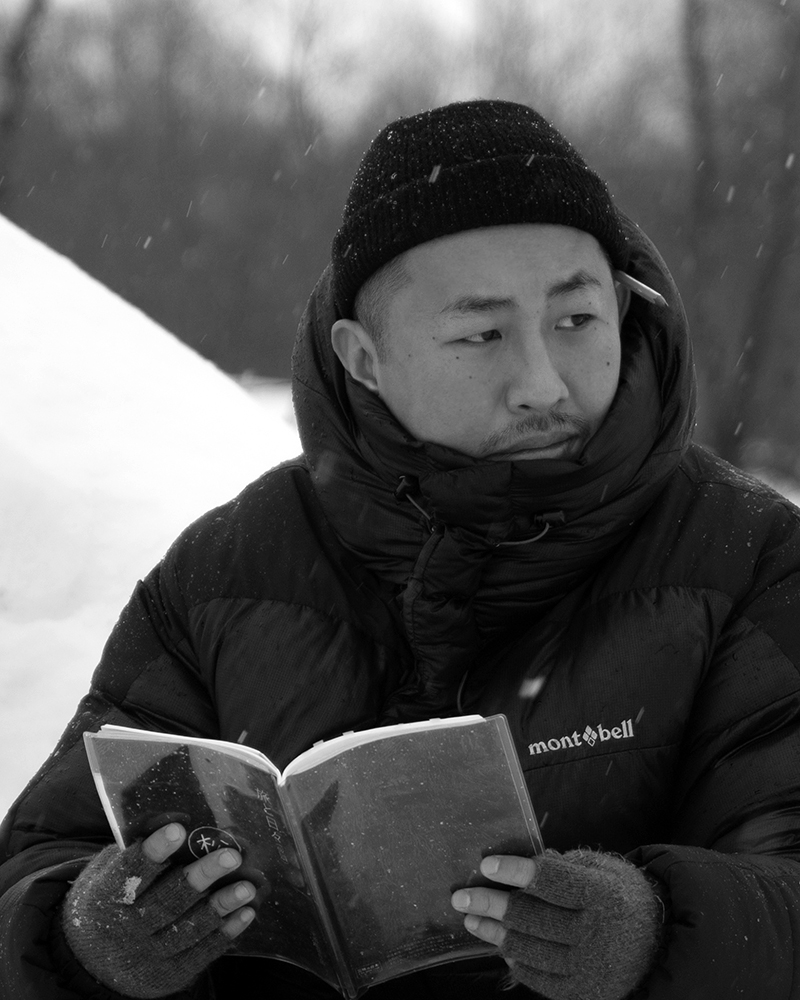
One of the most successful Japanese auteurs in Europe, he was born in 1984 in Sapporo. He studied at the Tokyo Film School and began making films immediately after graduating. Like many other contemporary Japanese auteurs, he seeks a balance between more pop productions (from the 2020 horror film Ju-On: Origins to the 2015 documentary The Cockpit, about Japanese hip hop artists) and productions with a distinctly auteurist feel. Of the latter, films such as Kimi no tori wa utaeru (2018) and Yoake no subete (2024) were selected at the Berlinale in their respective years, while titles such as Playback (2012) and Tabi to Hibi (2025) were part of the international competition at Locarno. The latter triumphed in 2025, winning the Golden Leopard.