

by
Lionel Baier
Starring Dominique Reymond, Michel Blanc, William Lebghill, Aurélien Gabrielli, Liliane Rovère, Ethan Chimienti, Adrien Barazzone, Larisa Faber, Louise Chevillotte, Gilles Privat /
Written by Lionel Baier, Catherine Charrier /
From the novel La cache by Christophe Boltanski, 2015 /
Cinematography Patrick Lindenmaier /
Editing Pauline Gaillard /
Sound design Carlo Thoss, Raphaël Sohier /
Produced by Bande à Part Films (Switzerland), Les Films du Poisson (France), Red Lion (Luxembourg), Jean-Stéphane Bron, Jeanne Geiben, Laetitia Gonzalez, Agnieszka Ramu, Vincent Quénault
France/Luxembourg/Switzerland, 2025 – 90 mins
V.O. sub. ITA
MOVIE CATEGORY
EFEBO D'ORO
13.11.25
22:30
Cinema Concordia
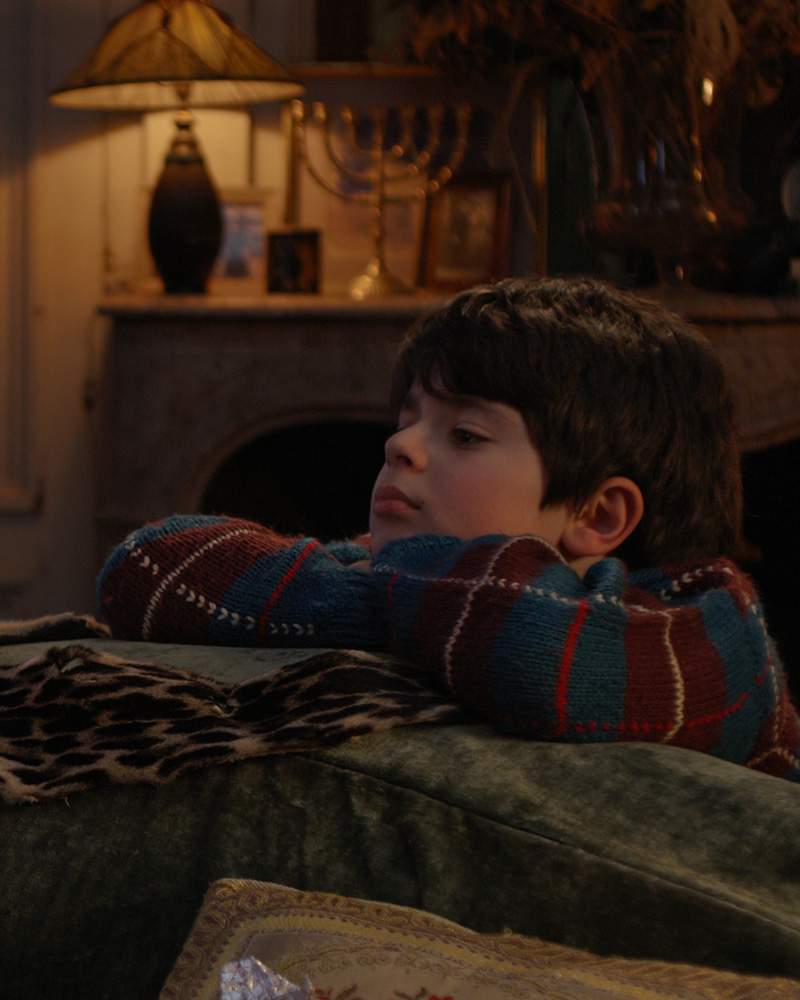
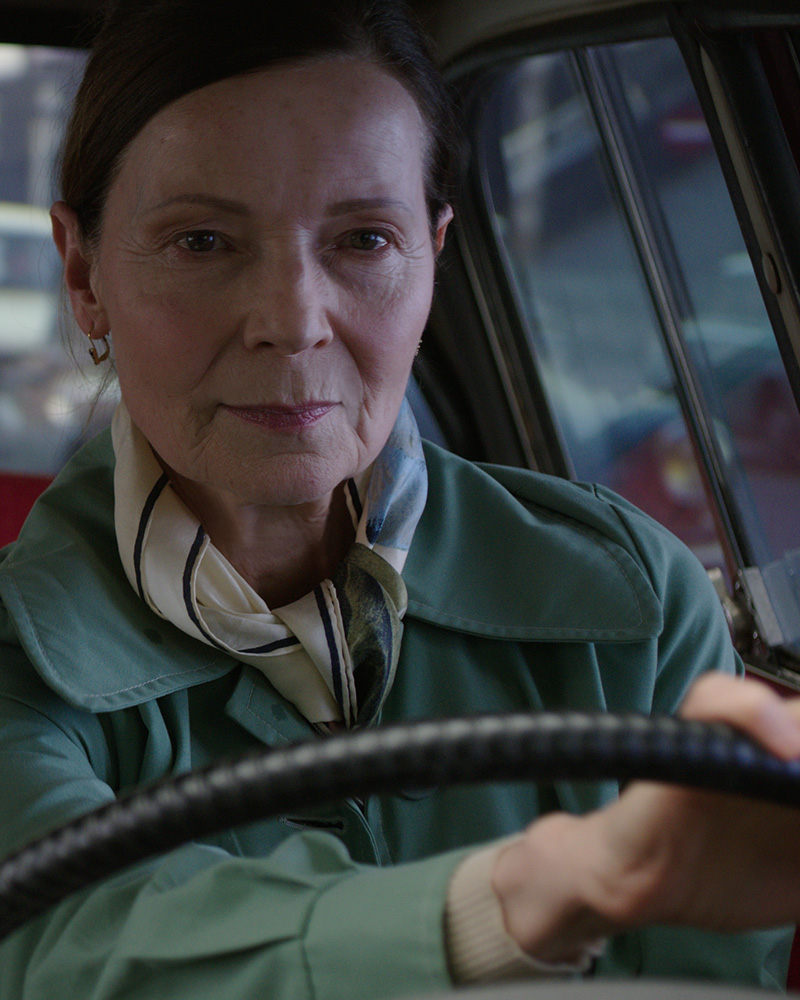
France, May 1968. The Boltanski family lives in their Parisian home while youth revolts erupt outside. In the Boltanskis’ lair, past and present coexist: the past through the memories of nine-year-old Christophe’s grandparents; the present through the radio and the sounds of crowds through the windows. However, an unexpected guest bursts into the apparent bourgeois quiet. Lionel Baier thus intertwines the kammerspiel (as in his Vanity), the coming-of-age novel (as in Stupid Boy), and the radio (as in Longwave) in a lively and cheerful compendium of his career, with a loving and affectionate perspective on the French past of 1968, but without ever allowing the story to degenerate into gratuitous nostalgia. If it is true that Christophe’s grandmother denies the romantic tale of the past (which for the Boltanski family means above all having survived the Nazi-Fascist occupation), it is equally true that Christophe seeks his identity with an eye to the future, also through the tender and never cynical gaze of the Swiss director.

DIRECTORY
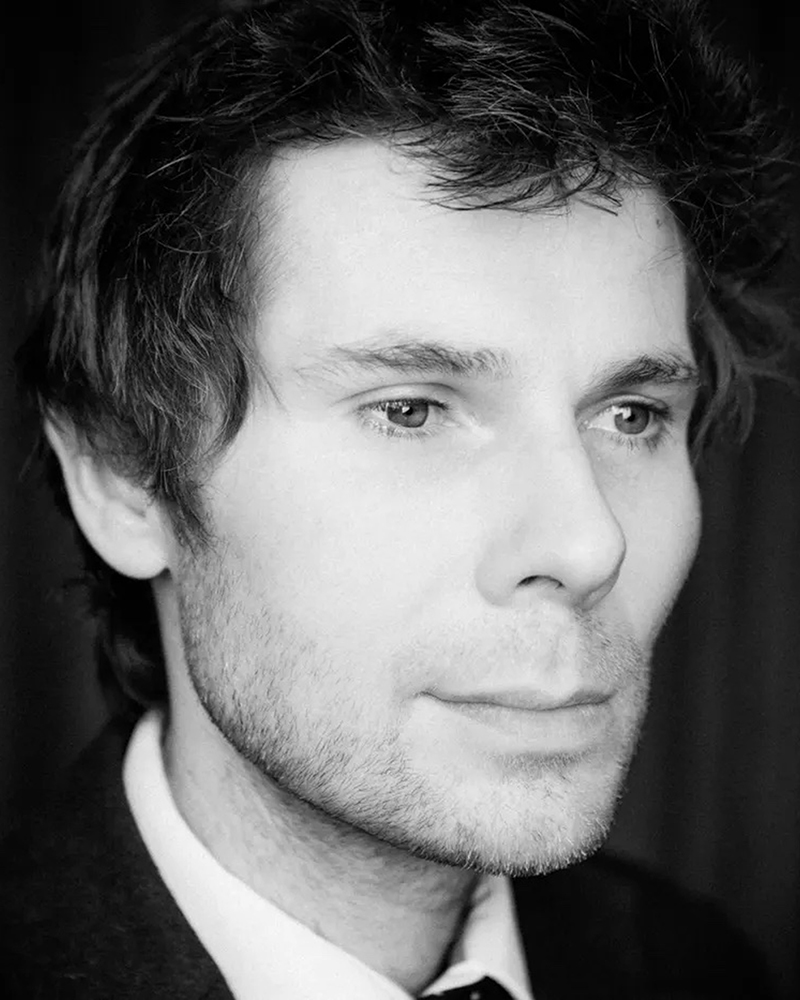
Born in 1975 in Lausanne, he trained as a programmer of the Cinema Rex in Aubonne from 1992 and through studying the Aesthetic History of French and Italian Cinema at the University of Lausanne from 1995 to 1999. Through the production companies he founded (first Bande à part films, then Bandita films) he produced some of his most successful films, including Longwave (presented at the Locarno Film Festival in 2013) and Vanity (which had its world premiere at ACID Cannes 2015). He is vice president of the Cinémathèque Suisse and the Visions du Réel festival in Nyon, and since 2023 he has been head of the directing department at the Parisian film school La Fémis. His latest film, The Safe House, was in competition at the 2025 Berlinale.
Bande à part Films_ Red Lion _ Les Films du Poisson _ RTS_ SRG SSR